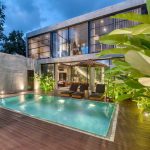
Designing a luxury villa in Bali is a dream for many property owners, investors, and lifestyle seekers. The island’s natural beauty, vibrant culture, and thriving property market make it one of the most attractive locations in Southeast Asia for residential and hospitality developments. However, creating a villa that truly reflects luxury, comfort, and architectural integrity requires more than just an appealing concept. This is where the expertise of a villa architect Bali becomes crucial.
Many people begin their project with a clear vision—an open tropical home, a private retreat surrounded by greenery, or an elegant villa designed for rental investment. Yet the journey from idea to finished building often involves complex decisions. Site conditions, climate, design coherence, construction methods, and long-term sustainability all play an important role in determining whether a villa will succeed both functionally and aesthetically.
A professional villa architect Bali helps translate inspiration into a thoughtful design strategy. By combining architectural creativity with technical planning, architects ensure that every element of a luxury villa works together harmoniously. In this article, we explore the key steps involved in designing luxury villas in Bali and how a structured architectural process can help property owners achieve a refined and enduring result.
Understanding the Vision Behind a Luxury Villa
The first step in designing a luxury villa begins with defining the overall vision of the project. While luxury can mean different things to different people, the essence of a high-quality villa usually lies in thoughtful design, spatial comfort, and a strong connection to the surrounding environment. A skilled villa architect Bali begins by understanding the client’s goals, lifestyle preferences, and long-term plans for the property.
Some villa owners prioritize privacy and relaxation, seeking a peaceful retreat where architecture blends seamlessly with nature. Others focus on investment potential, designing villas that appeal to short-term rental markets or hospitality concepts. Regardless of the purpose, the architectural design must respond to both functional requirements and aesthetic aspirations.
During this early stage, architects often analyze the character of the site. Land orientation, views, surrounding vegetation, and local climate conditions influence how the building should be positioned. In Bali, the tropical environment encourages designs that open toward natural landscapes while maintaining protection from intense sunlight and heavy rainfall.
The architect also evaluates how spaces will interact with each other. Luxury villas often emphasize fluid transitions between indoor and outdoor areas. Living rooms may open directly to gardens, terraces, or pools, creating a sense of openness that defines tropical living.
By carefully studying these elements, a villa architect Bali establishes a strong conceptual framework that guides the entire design process. This foundation ensures that the villa will not only look impressive but also function harmoniously within its natural and cultural setting.
Site Analysis and Strategic Planning
Before the architectural design fully develops, a detailed site analysis is essential. The land itself plays a major role in shaping the final design of a luxury villa. A professional villa architect Bali carefully studies the site’s physical characteristics, environmental conditions, and surrounding context to ensure that the project aligns with both technical requirements and local regulations.
One of the most important considerations is land orientation. The direction of sunlight, prevailing winds, and natural views can influence how rooms are positioned within the building. For example, living spaces might face open landscapes or garden areas, while bedrooms are placed in quieter sections of the property for privacy and comfort.
Topography is another key factor. Some sites in Bali have sloping terrain or irregular shapes that require creative architectural solutions. Instead of forcing a standard layout onto the land, experienced architects design structures that adapt naturally to the site’s contours. This approach can enhance both visual appeal and structural efficiency.
Regulatory requirements must also be addressed at this stage. Bali has specific zoning rules regarding building height, land coverage, and setbacks. A Bali villa architect familiar with these regulations can guide the planning process and prevent complications during construction approvals.
Environmental factors are equally important. Architects consider drainage systems, soil stability, and the preservation of existing vegetation. Maintaining natural elements within the property often enhances the villa’s atmosphere and reinforces the tropical identity of the design.
Through careful site analysis, a villa architect Bali ensures that the architectural concept responds intelligently to its surroundings, creating a strong foundation for the next stages of development.
Designing Spaces for Tropical Luxury Living
One of the defining characteristics of luxury villas in Bali is their ability to combine elegance with the relaxed atmosphere of tropical living. Achieving this balance requires careful spatial planning and thoughtful design decisions. A knowledgeable villa architect Bali integrates architectural principles that enhance both comfort and visual appeal.
Open-plan living areas are a common feature of tropical villas. Large sliding doors, wide verandas, and open corridors create a natural connection between indoor and outdoor spaces. This design approach allows residents to enjoy natural light, fresh air, and scenic views throughout the day.
Ventilation is another essential element of tropical architecture. Instead of relying solely on air conditioning, villas are often designed to encourage natural airflow. High ceilings, cross ventilation, and strategically placed openings help maintain a comfortable indoor temperature while reducing energy consumption.
Outdoor living areas also play a major role in luxury villa design. Pools, terraces, and landscaped gardens extend the living space beyond the interior walls. These areas often serve as social hubs where residents and guests can relax, dine, or entertain in a tranquil environment.
Material selection contributes significantly to the character of a luxury villa. Natural materials such as stone, wood, and textured finishes are frequently used to create warmth and authenticity. These elements complement Bali’s natural surroundings and add depth to the architectural design.
Through careful integration of spatial planning, natural materials, and environmental awareness, a villa architect Bali creates spaces that reflect both luxury and harmony with nature.
Integrating Technology and Modern Construction Methods
Luxury villa design today often involves advanced technology and modern construction techniques. These tools allow architects to refine their designs with greater accuracy while improving efficiency throughout the building process. A forward-thinking villa architect Bali frequently uses digital systems that enhance collaboration between architects, engineers, and contractors.
One important innovation in architectural planning is Building Information Modeling (BIM). This digital process allows designers to create detailed three-dimensional models that represent every element of the building. With BIM, potential design conflicts can be detected early, reducing the risk of costly changes during construction.
Technology also improves cost estimation and scheduling accuracy. By analyzing materials, structural requirements, and construction phases within a digital model, architects and builders can plan projects more efficiently. This approach supports smoother coordination between different teams involved in the project.
Sustainability is another key aspect of modern villa design. Many architects incorporate energy-efficient lighting, water management systems, and environmentally responsible materials. These strategies not only reduce environmental impact but also contribute to long-term operational efficiency.
For clients exploring integrated architectural and construction services, resources like Archiola provide insight into how design, technology, and building expertise can work together in a unified approach. Combining these disciplines often leads to more consistent project outcomes and improved communication throughout the development process.
By integrating modern tools and sustainable thinking, a villa architect Bali ensures that luxury villas are not only visually impressive but also technically refined and future-ready.
Collaboration Between Architect, Builder, and Client
Designing a luxury villa is rarely a linear process. Instead, it involves continuous collaboration between the architect, the construction team, and the client. A successful project depends on clear communication and shared understanding among all parties involved.
A villa architect Bali typically leads the design coordination, ensuring that architectural concepts align with structural requirements, interior design considerations, and construction methods. During this phase, architects work closely with engineers and builders to refine technical details and ensure that the design can be executed effectively.
Client involvement is equally important. Regular discussions allow property owners to provide feedback and refine their preferences as the project evolves. This collaborative approach ensures that the final design reflects the client’s lifestyle while remaining technically feasible.
Another advantage of strong collaboration is risk reduction. When architects and contractors coordinate from the early stages of the project, potential construction challenges can be addressed proactively. This reduces delays and ensures that the final building remains consistent with the original design intent.
Through open communication and coordinated teamwork, a villa architect Bali helps guide the project from concept to completion with clarity and confidence.
Conclusion
Designing a luxury villa in Bali is a complex yet rewarding process. From defining the initial vision and analyzing the site to integrating tropical design principles and modern technology, every stage requires careful planning and professional expertise.
Working with an experienced villa architect Bali ensures that these steps are approached strategically. Architects combine creative design with technical knowledge to produce villas that reflect both elegance and functionality while respecting the unique character of the island.
For property owners, thoughtful planning is the key to turning a dream villa into a lasting architectural achievement. By collaborating with experienced professionals and embracing a comprehensive design process, it becomes possible to create a tropical residence that offers beauty, comfort, and long-term value.
If you are considering a villa project in Bali, exploring architectural approaches and professional insights can be an excellent first step toward shaping your vision into a well-designed reality with the guidance of a trusted villa architect Bali.