Bali continues to attract homeowners, expatriates, and property investors who want to build residences that combine modern comfort with the island’s natural beauty. Yet designing a home in a tropical environment is very different from designing a house in temperate climates. Heat, humidity, heavy rainfall, and strong sunlight all influence how a building should be planned. This is why working with a residential architect Bali becomes essential when creating a comfortable and sustainable tropical home.
Many homeowners initially focus on aesthetics—choosing a modern facade, large windows, or luxurious finishes. However, without thoughtful architectural planning, homes in tropical regions can quickly become uncomfortable to live in. Poor ventilation, excessive heat gain, or inefficient layouts may result in higher energy consumption and reduced long-term durability.
A skilled residential architect Bali approaches home design differently. Instead of focusing solely on appearance, architects consider environmental conditions, lifestyle patterns, spatial efficiency, and construction feasibility. By combining these factors, they create homes that are both visually appealing and naturally comfortable.
This article explores how residential architects in Bali design tropical homes that prioritize comfort, sustainability, and architectural quality. Whether you are planning a private residence, vacation home, or long-term property investment, understanding these design principles can help you make better decisions during the development process.
The Role of a Residential Architect Bali in Home Design
A residential architect Bali plays a central role in shaping how a home functions, feels, and interacts with its surroundings. Unlike standard house construction that relies on generic layouts, residential architecture focuses on designing a home specifically tailored to the land, climate, and lifestyle of the homeowner.
The process usually begins with understanding the client’s vision. Some homeowners want a tranquil retreat that blends into nature, while others prefer a modern tropical house that supports entertaining guests and social gatherings. The architect translates these preferences into spatial concepts that balance privacy, openness, and functionality.
Site analysis is another critical step. Every plot of land in Bali has unique characteristics such as orientation, elevation, surrounding vegetation, and nearby buildings. A residential architect studies these factors carefully to determine the best placement of the house, ensuring that living areas receive natural light while avoiding excessive heat exposure.
Beyond planning the layout, architects also address structural integrity and long-term durability. Bali’s tropical climate can place stress on building materials due to humidity, salt air in coastal regions, and seasonal rainstorms. Selecting appropriate construction methods and materials is therefore an essential part of residential design.
A residential architect also coordinates with engineers, builders, and interior designers to maintain design consistency throughout the project. This collaborative approach ensures the home is built according to the original architectural vision while meeting safety and regulatory standards.
Ultimately, the architect’s role is to combine design creativity with technical expertise, resulting in homes that offer both beauty and lasting comfort.
Key Principles for Designing Comfortable Tropical Homes
Designing homes in tropical environments requires a thoughtful balance between aesthetics and environmental performance. A residential architect Bali applies several architectural principles that help maintain comfortable living conditions throughout the year.
One of the most important principles is natural ventilation. Tropical homes benefit greatly from cross-ventilation, where air flows freely from one side of the house to the other. Architects achieve this by positioning windows, doors, and openings strategically so that fresh air continuously circulates through living spaces.
Another key principle is passive cooling. Instead of relying entirely on air conditioning systems, architects design homes that naturally regulate temperature. Features such as high ceilings, open floor plans, and shaded outdoor areas help reduce heat accumulation indoors.
Roof design also plays an important role in tropical comfort. Sloped roofs with generous overhangs help protect the building from intense sunlight and heavy rainfall. The overhangs also create shaded spaces around the home, reducing heat transfer into interior rooms.
Material selection contributes to comfort as well. Natural materials such as stone, timber, and textured concrete can regulate temperature more effectively than certain synthetic materials. These materials also complement the tropical aesthetic often associated with Bali’s residential architecture.
Outdoor living spaces are another defining feature of tropical homes. Verandas, terraces, and garden courtyards extend the living area beyond the walls of the house. These spaces allow residents to enjoy Bali’s natural environment while maintaining a comfortable and shaded setting.
When these principles are combined, residential architecture in Bali creates homes that feel open, breathable, and harmonious with their surroundings.
Integrating Modern Tropical Architecture Into Residential Design
A residential architect Bali often draws inspiration from modern tropical architecture, a design philosophy that blends contemporary aesthetics with climate-responsive strategies. This approach allows homes to maintain a sleek, modern appearance while adapting to environmental conditions.
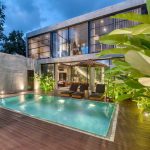
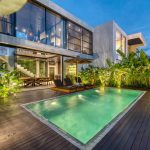
Modern tropical homes emphasize openness and connection with nature. Rather than separating interior and exterior spaces with rigid boundaries, architects design homes where living rooms flow seamlessly into terraces, gardens, and pool areas. This design strategy enhances spatial fluidity and encourages outdoor living.
Large glass panels and sliding doors are commonly used to maximize natural light and visual openness. However, architects balance these features with shading devices such as wooden screens, pergolas, or vertical louvers that prevent excessive solar heat gain.
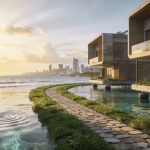
Landscape integration is another defining aspect of tropical architecture. Residential designs often incorporate gardens, water features, and natural stone pathways as part of the overall composition. These elements not only enhance aesthetics but also help cool the surrounding microclimate.
Modern tropical architecture also focuses on proportion and simplicity. Clean lines, neutral color palettes, and carefully selected materials create a timeless visual character that suits Bali’s relaxed lifestyle.
By combining environmental awareness with contemporary design language, architects create homes that feel both modern and naturally integrated with the island’s landscape.
Technology and Innovation in Residential Architecture
Residential architecture in Bali has evolved significantly in recent years, with technology playing an increasingly important role in the design and construction process. A residential architect Bali often incorporates digital tools and modern planning methods to improve design accuracy and project coordination.
One important advancement is Building Information Modeling (BIM). This digital technology allows architects and engineers to create detailed three-dimensional models of a building before construction begins. These models help visualize the project and identify potential design conflicts early in the planning stage.
Through BIM and similar tools, architects can coordinate structural systems, mechanical components, and spatial layouts more efficiently. This integrated approach reduces errors during construction and helps maintain the integrity of the design.
Technology also supports sustainable design strategies. Architects can analyze factors such as sunlight exposure, ventilation patterns, and energy efficiency during the planning phase. This information helps optimize building orientation and material choices to improve overall performance.
Some architectural studios combine technology-driven design with integrated construction planning. Firms such as Archiola utilize advanced architectural tools and collaborative workflows to ensure residential projects maintain both design quality and construction efficiency.
By embracing innovation, residential architecture in Bali continues to evolve toward more precise, sustainable, and future-ready homes.
Planning Your Residential Project in Bali
Developing a residential property in Bali involves more than simply designing a house. A residential architect Bali helps homeowners navigate the planning process from early concept development to construction preparation.
The first step is defining the purpose of the home. Some residences are designed as permanent living spaces, while others serve as holiday homes or rental properties. Understanding the intended use influences decisions related to layout, amenities, and overall scale.
Site evaluation is the next important stage. Architects analyze land conditions, surrounding views, road access, and environmental factors that may affect the design. This evaluation helps determine the optimal building orientation and spatial arrangement.
Concept design follows as the creative stage of the project. Architects develop preliminary layouts that illustrate how rooms, outdoor spaces, and circulation areas interact. During this phase, homeowners work closely with the architect to refine design ideas and ensure the layout aligns with lifestyle needs.
Once the concept is finalized, detailed architectural drawings are prepared for construction. These documents guide engineers and builders in executing the design accurately.
Careful planning during these stages helps reduce construction risks and ensures the final home reflects both the client’s vision and the architectural integrity of the project.
Conclusion
Designing a comfortable home in Bali requires a thoughtful approach that considers climate, lifestyle, and architectural quality. A residential architect Bali brings together these elements to create homes that are not only visually appealing but also functional and environmentally responsive.
Through climate-adapted design strategies, modern tropical architecture, and innovative planning technologies, residential architects help homeowners build properties that offer long-term comfort and value. Each decision—from building orientation to material selection—contributes to the overall living experience.
For those considering building a home on the island, understanding the principles of tropical residential architecture can make a significant difference in the success of the project.
Collaborating with experienced professionals can help transform your ideas into a carefully planned residence that complements Bali’s unique landscape and supports a comfortable tropical lifestyle.