Designing a villa in Bali is not simply about building a beautiful structure. The island’s tropical climate, cultural context, and evolving property market demand a thoughtful architectural approach. This is why many investors and homeowners look for a modern tropical villa architect Bali who understands how to blend aesthetics, climate responsiveness, and long-term functionality.
Without proper planning, villas in tropical environments can face several issues. Poor ventilation may cause interiors to feel hot and humid. Inadequate shading can increase energy consumption. Inefficient spatial layouts can reduce both comfort and property value. These challenges highlight the importance of working with an architect who specializes in modern tropical design.
A modern tropical villa architect Bali applies architectural principles specifically adapted for warm climates and lifestyle-focused living. The goal is to create villas that feel open, elegant, and naturally comfortable while maintaining structural durability and aesthetic quality.
This guide explains the key design principles used by professional architects in Bali when creating modern tropical villas. Whether you are planning a private residence, investment property, or hospitality villa, understanding these architectural concepts will help you make better design decisions and achieve a refined tropical living experience.
Understanding the Role of a Modern Tropical Villa Architect Bali
A modern tropical villa architect Bali plays a crucial role in transforming a simple land plot into a well-designed living environment that responds to both nature and human needs. Unlike conventional architectural projects, villas in tropical destinations require careful attention to environmental factors such as sun orientation, airflow patterns, humidity levels, and seasonal rainfall.
The architectural process typically begins with site analysis. A professional architect studies the characteristics of the land, including slope, surrounding vegetation, neighboring structures, and the direction of prevailing winds. This information becomes the foundation for designing a building layout that maximizes natural comfort.
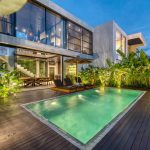
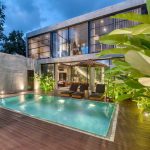
Another responsibility of a modern tropical architect is developing a spatial concept that blends indoor and outdoor living. Tropical architecture encourages openness. Living rooms, terraces, courtyards, and swimming pools are often arranged as interconnected spaces rather than isolated rooms. This spatial approach allows residents to enjoy the surrounding landscape while maintaining privacy.
Beyond aesthetics, architects must also ensure that the building performs well structurally. Villas in Bali must withstand humidity, salt air in coastal areas, and heavy rain during the wet season. Proper material selection, drainage systems, and roof design are essential to maintaining durability.
Architects also coordinate with engineers, builders, and interior designers throughout the development process. This collaboration ensures that the original architectural concept remains consistent from design development to construction.
For property owners, working with a skilled architect helps reduce design mistakes and ensures the villa reflects both lifestyle aspirations and long-term property value.
Core Principles of Modern Tropical Villa Architecture
The philosophy behind tropical architecture is rooted in environmental adaptation. A modern tropical villa architect Bali applies several fundamental design principles that balance comfort, sustainability, and visual elegance.
One of the most important principles is natural ventilation. Villas are designed to allow air to flow freely throughout the building. Large openings, sliding glass doors, and strategically placed windows enable cross ventilation. This airflow reduces reliance on air conditioning while maintaining indoor comfort.
Another important principle is passive cooling. Architects design buildings with deep roof overhangs, pergolas, and shaded outdoor areas to minimize direct solar heat gain. These shading elements protect interior spaces while still allowing natural light to enter.
Spatial openness is another hallmark of modern tropical villas. Rather than creating closed rooms, architects design open-plan layouts that allow living areas to flow seamlessly into outdoor spaces. This approach not only enhances visual spaciousness but also encourages natural air circulation.
Material selection also plays a critical role. Tropical villas often combine modern materials such as concrete, steel, and glass with natural elements like wood, stone, and textured plaster. These materials help maintain structural strength while adding warmth and visual character.
Landscape integration is equally important. Gardens, water features, and courtyards are carefully incorporated into the architectural layout. These elements help cool the surrounding air and create a tranquil living atmosphere.
When these principles are applied together, the result is a villa that feels naturally comfortable, visually balanced, and closely connected to its environment.
Climate-Responsive Design Strategies for Villas in Bali
A modern tropical villa architect Bali must design buildings that perform well in a climate characterized by heat, humidity, and seasonal rainfall. Climate-responsive architecture ensures that villas remain comfortable without excessive energy consumption.
One essential strategy is proper building orientation. Architects analyze the direction of sunlight throughout the day to position the villa in a way that minimizes heat exposure. Bedrooms and living spaces are often oriented to receive morning sunlight while avoiding the harsher afternoon heat.
Ventilated roof structures are another effective solution. High ceilings combined with roof ventilation allow hot air to rise and escape from interior spaces. This natural heat release helps maintain cooler indoor temperatures.
The use of transitional spaces is also a key design strategy. Semi-open areas such as verandas, terraces, and covered walkways act as buffers between indoor rooms and the external environment. These spaces reduce heat transfer while providing comfortable areas for relaxation.
Rainwater management is equally important. Heavy tropical rainfall requires well-designed drainage systems, sloped roofs, and water-resistant materials. Without these features, moisture infiltration can compromise structural durability.
Landscape design also contributes to climate responsiveness. Trees, gardens, and green areas help shade buildings and reduce surrounding temperatures. Water features such as ponds or reflecting pools can further enhance cooling effects.
Through these strategies, tropical villas can achieve a comfortable indoor environment while maintaining energy efficiency and architectural elegance.
Integrating Technology and Sustainable Architecture
Modern architecture in Bali increasingly incorporates advanced technologies to improve both design precision and construction efficiency. A modern tropical villa architect Bali often utilizes digital tools that enhance collaboration between design teams and construction professionals.
One of the most influential technologies in contemporary architecture is Building Information Modeling (BIM). This system allows architects and engineers to create detailed digital models of a building before construction begins. The model integrates structural systems, mechanical components, and spatial layouts into one coordinated platform.
Using BIM, architects can detect potential design conflicts early in the planning stage. This reduces costly construction changes and improves project accuracy. It also allows developers to estimate material quantities and construction timelines more reliably.
Sustainable design strategies are also becoming increasingly important. Many tropical villas incorporate energy-efficient lighting, natural ventilation systems, and water conservation features. These strategies reduce operational costs while supporting environmentally responsible development.
Material innovation also plays a role in sustainable architecture. Architects may select locally sourced materials or products designed to withstand tropical conditions with minimal maintenance. Durable materials reduce the need for frequent repairs and replacements.
Architectural studios that combine technology-driven design with construction expertise can deliver more predictable project outcomes. Firms such as Archiola integrate architectural planning, engineering coordination, and modern technology to ensure that villa projects achieve both aesthetic quality and construction efficiency.
As sustainable development becomes a priority in Bali’s property sector, technology-driven architecture will continue to shape the future of villa design.
Planning Your Modern Tropical Villa Project in Bali
Starting a villa project requires more than simply hiring a contractor and beginning construction. A successful development process begins with strategic planning guided by a modern tropical villa architect Bali.
The first step is defining the purpose of the villa. Some projects are designed as private residences, while others are intended for rental investment or boutique hospitality operations. Understanding the primary objective influences decisions related to layout, amenities, and overall scale.
Site selection and evaluation follow as the next important stage. Architects analyze land characteristics, access roads, environmental factors, and local regulations that may influence building design. Zoning restrictions, building height limits, and environmental considerations must all be addressed early in the planning process.
Concept development then translates ideas into architectural proposals. Architects create initial sketches and spatial arrangements that illustrate how the villa will function and interact with its surroundings. This stage often includes discussions about architectural style, material palette, and landscape integration.
After the concept is approved, the project moves into detailed design and technical documentation. Structural systems, utility infrastructure, and interior layouts are developed to prepare the project for construction.
Throughout the process, collaboration between the architect, engineers, contractors, and the client is essential. Regular communication helps maintain design clarity and ensures the project remains aligned with both aesthetic goals and practical considerations.
Careful planning not only improves design quality but also reduces construction risks and helps ensure the villa becomes a valuable long-term asset.
Conclusion
Designing a villa in Bali requires a careful balance between creativity, environmental awareness, and technical expertise. A modern tropical villa architect Bali brings together these elements to create spaces that feel elegant, comfortable, and deeply connected to the island’s natural environment.
From climate-responsive layouts and passive cooling strategies to sustainable materials and technology-driven design tools, modern tropical architecture continues to evolve as a sophisticated approach to villa development. These principles not only enhance the visual appeal of a property but also improve its long-term performance and investment value.
For homeowners and property investors, understanding these architectural fundamentals is the first step toward creating a villa that reflects both lifestyle aspirations and thoughtful design.
If you are exploring the possibilities of building a tropical villa, collaborating with experienced architectural professionals can help turn your ideas into a carefully planned project that harmonizes with Bali’s unique landscape and architectural culture.