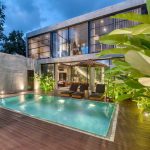
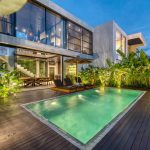
Bali has long been one of the most attractive destinations in the world for property investment, lifestyle living, and boutique hospitality. From the lush hills of Ubud to the coastal areas of Canggu and Uluwatu, luxury villas continue to define the island’s architectural identity. However, creating a truly elegant property requires more than choosing beautiful materials or building a large structure. The success of a luxury villa depends heavily on thoughtful planning, climate-responsive design, and the expertise of a Bali luxury villa architect who understands both aesthetics and local context.
Many investors and homeowners encounter the same challenge: how to design a villa that feels timeless, functional, and aligned with Bali’s tropical environment. Without proper architectural guidance, villas may suffer from poor airflow, inefficient layouts, or designs that do not match the island’s unique cultural and environmental characteristics.
This guide explores how a Bali luxury villa architect approaches the design process, from understanding the tropical landscape to integrating modern technology and construction strategies. Whether you are planning a private residence, holiday villa, or hospitality investment, understanding these principles will help you make informed decisions and achieve a sophisticated architectural result.
Understanding the Role of a Bali Luxury Villa Architect
A Bali luxury villa architect does far more than create visual drawings. Their role involves translating ideas, lifestyle goals, and investment objectives into a coherent architectural concept that functions effectively in Bali’s climate and regulatory environment.
Luxury villas in Bali often combine elements of contemporary design with traditional tropical architecture. An experienced architect evaluates the land, surrounding landscape, sun orientation, and airflow patterns before shaping the building form. This early analysis ensures the villa remains comfortable while reducing dependence on mechanical cooling systems.
Another critical responsibility is balancing aesthetics and practicality. Elegant villas typically feature open layouts, seamless indoor–outdoor transitions, and strong connections to nature. However, these design features must also address structural durability, humidity control, and long-term maintenance.
A professional architect also coordinates with engineers, contractors, and interior designers throughout the project lifecycle. This collaborative process ensures the design vision remains consistent from concept development to construction.
For property investors, working with a qualified architectural team also reduces costly design revisions and construction inefficiencies. Clear architectural documentation, integrated design strategies, and careful planning help maintain both timeline and budget predictability.
Ultimately, the architect becomes the bridge between creative vision and technical execution, ensuring the villa not only looks elegant but also functions as a high-value long-term asset.
Key Principles in Designing Elegant Luxury Villas in Bali
Designing a luxury villa on a tropical island involves a unique architectural philosophy. A Bali luxury villa architect typically focuses on several key principles that define both elegance and functionality.
The first principle is climate responsiveness. Bali’s warm temperatures, high humidity, and seasonal rainfall require buildings that can breathe. Open floor plans, high ceilings, and cross-ventilation systems allow natural air circulation throughout the villa. Roof overhangs and shaded terraces protect interior spaces from excessive sunlight while maintaining natural brightness.
The second principle is harmony with the surrounding landscape. Rather than dominating the environment, well-designed villas integrate with nature. Architects often position buildings to frame views of rice fields, forests, or ocean horizons. Outdoor living areas, gardens, and water features enhance the connection between architecture and the natural setting.
Material selection also plays a crucial role. Many luxury villas combine modern construction materials with natural elements such as stone, timber, and textured concrete. These materials provide durability while maintaining a warm, sophisticated visual identity.
Spatial flow is another defining characteristic. Elegant villas avoid rigid compartmentalization. Instead, spaces transition fluidly from living rooms to outdoor terraces, pools, and garden areas. This seamless circulation enhances both comfort and visual experience.
Finally, a strong architectural concept ties everything together. Whether the design follows modern tropical minimalism or a contemporary Balinese aesthetic, consistency in proportion, materials, and lighting creates the sense of elegance that defines luxury architecture.
The Importance of Modern Tropical Architecture in Bali Villa Design
One of the most influential design approaches used by a Bali luxury villa architect is modern tropical architecture. This style adapts modern design principles to suit the climate and cultural context of tropical regions.
Modern tropical architecture emphasizes openness, natural ventilation, and environmental sensitivity. Unlike conventional buildings that rely heavily on artificial climate control, tropical villas prioritize passive design strategies that enhance comfort naturally.
For example, strategic building orientation helps minimize heat gain while maximizing natural lighting. Architects carefully position windows, louvers, and openings to allow air circulation without exposing interior spaces to excessive sunlight.
Another key feature is the integration of outdoor living areas. Verandas, pool decks, and shaded courtyards extend the usable living space while creating visual continuity between interior and exterior environments. These transitional spaces are essential in tropical villa living, where the climate encourages outdoor activities.
Roof design is also particularly important. Elevated roofs or ventilated ceiling systems help release accumulated heat and maintain comfortable indoor temperatures. Meanwhile, generous roof overhangs protect walls and windows from rain and intense sunlight.
Modern tropical architecture also supports sustainability goals. Natural ventilation, daylight optimization, and energy-efficient design can significantly reduce operational costs while improving environmental performance.
For homeowners and investors alike, this design philosophy offers the perfect balance between modern elegance and climate-sensitive architecture.
Integrating Design and Construction for Better Results
A growing trend in Bali’s property industry is the integrated design-build approach. Many architectural studios operate not only as designers but also as construction coordinators, allowing projects to move seamlessly from concept to completion.
For villa owners, this integration simplifies the development process. Instead of working with separate consultants who may interpret the design differently, a unified team maintains consistency throughout planning and construction phases.
Integrated project management improves communication between architects, engineers, and contractors. Technical issues can be identified early, minimizing delays and design conflicts during construction.
Another advantage is cost predictability. Architects who understand construction processes can design structures that align with realistic budgets and local material availability. This reduces the risk of redesigns or unexpected expenses later in the project.
Technology also plays an increasingly important role in this integrated approach. Tools such as Building Information Modeling (BIM) allow architects and engineers to simulate building performance, detect design clashes, and optimize construction planning.
Companies such as Archiola adopt this collaborative model by combining architectural design, engineering coordination, and construction expertise in one workflow. This integrated strategy helps ensure that luxury villas maintain both design integrity and construction efficiency.
For investors who may not be familiar with local construction processes, working with a coordinated architectural team can significantly reduce development risk while improving the final result.
How to Start Planning Your Luxury Villa Project
Planning a luxury villa requires a clear strategy long before construction begins. Working with a Bali luxury villa architect during the early stages helps transform ideas into a structured architectural plan.
The process typically begins with understanding the client’s goals. Some villas are designed primarily as private residences, while others function as short-term rental investments or boutique hospitality properties. Each objective influences spatial planning, amenities, and operational considerations.
Site analysis follows as the next crucial step. Architects study topography, access roads, drainage conditions, surrounding views, and zoning regulations. These factors determine building placement, height restrictions, and land utilization strategies.
Concept design development then translates these insights into architectural sketches and layout proposals. During this stage, architects explore spatial arrangements, facade compositions, and material palettes that match the client’s vision.
Once the concept is finalized, detailed architectural drawings are produced to guide engineering and construction teams. Structural planning, mechanical systems, and interior layouts are integrated into a comprehensive design package.
Effective communication between the architect and client remains essential throughout the process. Regular consultations allow adjustments while preserving the core design concept.
With thoughtful planning and professional guidance, a villa project evolves from an abstract idea into a carefully crafted property that reflects both lifestyle aspirations and long-term investment value.
Conclusion
Designing an elegant villa in Bali is both an artistic and technical endeavor. From climate-responsive planning to material selection and spatial composition, every element contributes to the final architectural experience. A skilled Bali luxury villa architect brings together creativity, technical knowledge, and local expertise to transform a vision into a sophisticated tropical residence.
Whether the goal is to create a serene private retreat or a high-end hospitality property, understanding the principles of luxury villa design helps property owners make confident decisions throughout the development process. Thoughtful architecture not only enhances aesthetics but also improves comfort, durability, and long-term property value.
As Bali continues to attract global investors and homeowners, well-designed villas will remain a defining element of the island’s landscape. Taking the time to collaborate with experienced architectural professionals ensures that your project reflects both elegance and functionality while respecting the natural beauty of its surroundings.