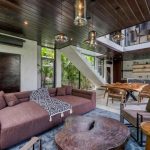
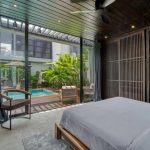
Interior design in Bali has earned international recognition for its unique approach that blends natural materials, cultural heritage, and contemporary aesthetics. The island has become a global design destination, inspiring architects, homeowners, and developers who seek spaces that feel tranquil, elegant, and connected to nature. Whether the project is a luxury villa, a private residence, a holiday home, or a boutique hospitality property, the Balinese approach to interior design emphasizes harmony, sustainability, sensory experience, and craftsmanship. Firms such as https://archiola.com/ specialize in helping homeowners and investors realize tropical modern concepts that reflect both practicality and high aesthetic value. Choosing a professional interior designer in Bali is not simply a choice of style; it is an investment in creating a space that improves well-being, supports daily comfort, and maximizes long-term property value.
The Essence of Tropical Modern Interior Design in Bali
Tropical modernism in Bali is not just a visual style but a philosophy of living. It emerged from the island’s cultural values, tropical climate, and long-standing tradition of working with natural materials. The core idea is to create spaces that breathe, allowing residents to feel connected to the outdoors while still enjoying modern conveniences. This approach avoids closed, claustrophobic environments. Instead, buildings open outward and invite ventilation, daylight, and greenery into the rooms. Rather than relying on artificial lighting and air-conditioning, interior design in Bali often prioritizes natural climate control. High ceilings, open layouts, and operable windows allow breezes to flow freely, reducing heat buildup and increasing comfort without excessive energy consumption.
The use of natural materials is another signature feature. Stone, rattan, bamboo, teak, recycled wood, terracotta, and hand-crafted textiles create organic textures that stand in contrast to minimalist modern lines. This combination feels luxurious but warm, minimalist but human. Unlike sterile interior styles that lack warmth, Balinese tropical modern design gives visual richness without overwhelming the senses. It also aligns with sustainability, as many materials can be locally sourced and responsibly produced. The tropical modern approach goes beyond physical construction. It encourages a mindset that living areas are places for balance and mindfulness. A room is designed not only to look beautiful but also to enhance how people rest, work, socialize, and reflect. This integration of lifestyle and design is one of the reasons Bali inspires both residents and global investors who want their homes to foster better living experiences.
The Role of Space Planning and Functional Design
One of the most overlooked elements of successful interior design in Bali is space planning. This process considers how people move, live, and interact within a space. A designer evaluates the orientation of the property, sunlight direction, the relationship between interior and exterior zones, and how rooms support daily activities. Good planning ensures that spaces feel proportionate and comfortable. In tropical modern design, circulation is often open and fluid. Walls are minimized to create uninterrupted sightlines and improve ventilation. Living areas flow into outdoor terraces, bedrooms connect to gardens, and bathrooms may feature small courtyards to provide privacy while still welcoming nature indoors.
Function plays a major role. Designers in Bali understand that climate influences how spaces must perform. Furniture placement must consider airflow and avoid blocking breezeways. Kitchen layouts must accommodate ventilation and moisture. Storage solutions are incorporated discreetly to maintain minimalist harmony. The goal is not to fill a room with decorative objects, but to ensure each component enhances usability. Flooring also plays a structural role in spatial experience. Stone, polished concrete, or natural tiles help control heat absorption, while textured finishes prevent surfaces from becoming slippery during humid conditions. A skilled designer balances aesthetics with practicality, creating interiors that remain beautiful even with long-term use. Homeowners benefit from this attention to function because it reduces maintenance, enhances comfort, and makes daily living easier. Without professional planning, a project risks looking appealing in photographs but failing to perform in real-life living.
Integrating Natural Materials for Authentic Character
Natural materials are essential in interior design in Bali because they evoke warmth, authenticity, and harmony with the island’s landscape. These materials age gracefully, developing patina and character over time. Wood, for instance, is commonly used for flooring, ceilings, furniture, and wall cladding. Teak, suar, and mahogany are valued not only for their durability but also for their rich tones and expressive grains. Bamboo is another material deeply rooted in Balinese construction tradition. Its strength-to-weight ratio and organic appearance make it ideal for screens, furniture, and decorative features. When used correctly, bamboo softens modern spaces and provides structure without overpowering the room.
Stone contributes an earthy grounding effect. Volcanic rock, andesite, limestone, and river stone are commonly used to build accent walls, bathroom finishes, and pathways. These stones contrast beautifully with wood and greenery, making spaces feel natural and cohesive. Textiles complement these materials and add tactile warmth. Handwoven fabrics, local patterns, and natural fibers bring cultural identity into the design without relying on excessive decoration. In a world where synthetic materials dominate, Bali’s natural palette provides relief and emotional connection.
Interior designers in Bali also consider sustainability. Many natural materials can be sourced locally, supporting artisans and reducing transportation-based environmental impact. Responsible sourcing also means that materials are chosen for longevity. Rather than disposable furnishings, tropical modern interiors are built to remain beautiful and functional for decades. The material selection process is both creative and disciplined. Designers evaluate performance under humidity, termites, mold, and constant exposure to sunlight. This balance between beauty and resilience is one of the distinguishing characteristics of Balinese interior design and a key reason the style has become admired worldwide.
Lighting and Atmosphere: Balancing Mood and Practicality
Lighting design is fundamental to creating a welcoming and visually appealing interior. In Bali, lighting strategies enhance natural ambiance rather than overpower it. Daylight is integrated as much as possible through large openings, skylights, folding doors, and clerestory windows. A room bathed in natural light feels refreshing, increases well-being, and reduces reliance on artificial illumination. However, evening lighting requires thoughtful planning. A common mistake is relying solely on a single central light, which makes spaces feel flat, harsh, and uninviting. Instead, tropical modern interiors use layered lighting. Ambient lighting sets the overall tone, task lighting provides practical visibility, and accent lighting highlights textures, artworks, or architectural features.
Warm color temperatures are preferred because they align with the natural palette and maintain a relaxing environment. Decorative lighting fixtures also serve as design elements themselves. Pendant lamps made from bamboo, rattan, metal, fabric, or blown glass add artistry while respecting the overall theme. The key is restraint. Lighting in Balinese interiors is meant to support mood, not dominate the room. Evening ambiance is soft, diffused, and calm, supporting the island’s cultural emphasis on rest and balance. This approach creates timeless spaces that feel comfortable whether used for daily living or for hosting guests. Designers who understand lighting not only consider appearance but also how lighting interacts with shadows, surfaces, and human perception. The result is interiors that feel luxurious not through extravagance, but through thoughtful details and emotional comfort.
The Importance of Furnishings and Custom Craftsmanship
Furniture plays a decisive role in completing an interior design project in Bali. Many homeowners choose pieces that are handcrafted by local artisans because they offer uniqueness, cultural depth, and premium craftsmanship. Custom-made furniture ensures perfect scale and proportion, especially in open-plan spaces where oversized or undersized pieces can disrupt visual balance. Interior designers work closely with woodworking studios and craftsmen to develop furniture that supports daily functionality, aligns with the project’s design language, and expresses individuality. This includes built-in cabinetry, wardrobes, dining sets, daybeds, bathroom vanities, and custom shelving. Such pieces eliminate the need for excessive freestanding furniture, improving space efficiency and visual cleanliness.
Soft furnishings such as rugs, cushions, drapes, and bed textiles introduce layers of comfort. They also amplify the sensory experience by bringing texture, pattern, and visual warmth. Designers must consider maintenance, especially in Bali’s humid climate, where fabrics need adequate airflow and cleaning strategies. Outdoor furniture is equally important because exterior living spaces are extensions of the interior. Pieces must balance comfort, weather resistance, and aesthetics. Materials like treated teak, outdoor-grade fabrics, and metal frames ensure longevity while maintaining visual harmony with the tropical theme. When executed well, furnishings turn a well-designed room into one that feels inhabited, personal, and emotionally engaging. This human element is central to Bali’s interior design philosophy.
Indoor-Outdoor Living: Defining the Balinese Experience
One of the defining characteristics of interior design in Bali is the seamless integration of indoor and outdoor spaces. The island’s warm climate and lush natural environment make it possible to design homes where the boundaries between interior and exterior are softened. Living rooms may open directly to terraces, gardens, or swimming pools. Dining areas may sit beneath open pavilions with uninterrupted views of the landscape. Even bathrooms often feature greenery, allowing residents to experience nature in private but luxurious ways.
This approach is not merely visual; it supports functional living. By allowing outdoor areas to function as part of the living space, homeowners increase usable square footage without significantly increasing structural complexity. It also enhances airflow, reduces the need for mechanical cooling, and supports a biophilic lifestyle. Designers consider transitions carefully. Floor levels, textures, lighting, and spatial flow are aligned so that moving from one zone to another feels natural. Protection from sun and rain is incorporated through roof extensions, pergolas, canopies, or planted shading. This integration embodies Bali’s cultural tradition of living close to nature while incorporating the comfort and elegance of modern architecture.
Choosing a Professional Interior Designer in Bali
While many homeowners attempt to manage design and construction independently, the complexity of creating a cohesive tropical modern interior makes professional guidance extremely valuable. Designers understand how to translate client needs into functional layouts, detailed specifications, and material selections that perform well in Bali’s climate. They coordinate with contractors, artisans, and suppliers to ensure details are executed accurately and consistently. Firms such as https://archiola.com/ offer end-to-end solutions where design and execution operate under one coordinated vision. This minimizes miscommunication and ensures that the final built environment reflects the design intent.
A professional designer also helps clients avoid costly mistakes. Incorrect materials, poor space planning, ineffective ventilation strategies, or incompatible finishes can result in expensive rework. By engaging qualified designers, homeowners and investors gain peace of mind, predictable outcomes, and better long-term value. The role of designers extends beyond aesthetics. They manage schedules, oversee craftsmanship, evaluate quality, and maintain design cohesion from concept to completion. This structured approach ensures that the end result not only looks elegant but also functions well in day-to-day living.
Conclusion
Interior design in Bali has become a reference point for tropical modern living, blending natural materials, artisan craftsmanship, functional planning, and seamless indoor-outdoor integration. It is a style grounded in cultural tradition but elevated with contemporary design principles, global sensibility, and practical performance suited to the island’s climate. For homeowners and investors, working with experienced professionals ensures that every design decision—from materials to lighting to furniture—contributes to a space that enhances daily life and long-term property value. Whether building a private residence, holiday villa, or hospitality property, embracing the principles of tropical modern design results in interiors that feel calm, refined, and connected to nature. Those seeking comprehensive design-and-build expertise can explore solutions through https://archiola.com/, where architectural vision and project realization align under one integrated process.