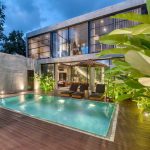
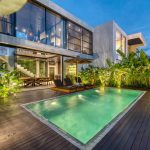
Designing a home in Bali is often inspired by the island’s natural beauty, relaxed lifestyle, and distinctive architectural character. Many property owners imagine open spaces surrounded by lush gardens, natural materials, and a seamless connection between indoor and outdoor living. However, transforming this vision into a well-planned home requires the expertise of an architect Bali villa design specialist who understands both tropical environments and modern architectural principles.
While Bali offers an ideal setting for building villas, designing a tropical home involves more than aesthetic decisions. Climate conditions, land orientation, airflow, structural durability, and sustainability all influence how a building performs over time. Without proper architectural planning, a villa may face issues such as excessive heat, poor ventilation, or inefficient use of space.
This is why professional architect Bali villa design services play a crucial role in shaping modern tropical homes. Architects combine design creativity with technical planning to ensure that a villa responds effectively to its environment while maintaining elegance and comfort.
In this guide, we explore the key principles behind modern tropical villa design in Bali and how architects approach planning, materials, spatial organization, and sustainability to create homes that are both beautiful and practical.
Understanding the Concept of Modern Tropical Architecture
Modern tropical architecture is the foundation of many contemporary villas in Bali. It combines the openness of tropical living with clean, modern design principles to create homes that feel both luxurious and naturally connected to the environment. An experienced professional in architect Bali villa design understands how to balance these elements.
Unlike traditional enclosed homes, tropical villas emphasize airflow, natural lighting, and interaction with outdoor spaces. Architects design buildings that allow air to circulate freely, reducing reliance on mechanical cooling systems. This is typically achieved through cross ventilation, large openings, and strategic positioning of windows and doors.
At the same time, modern design principles focus on simplicity, clarity of form, and efficient spatial organization. Straight lines, minimalist structures, and uncluttered interiors create a calm atmosphere that complements the surrounding landscape.
One of the defining characteristics of modern tropical homes is the integration of indoor and outdoor living spaces. Living rooms may open directly to terraces or gardens, allowing residents to experience the natural environment without leaving the comfort of their home.
A well-planned architect Bali villa design also takes into account Bali’s intense sunlight and seasonal rainfall. Roof overhangs, shaded corridors, and covered outdoor areas help protect the interior while still maintaining openness.
By combining tropical design strategies with contemporary architecture, modern villas in Bali achieve a balance between comfort, aesthetics, and environmental harmony.
Site Planning and Orientation in Bali Villa Design
One of the most critical aspects of successful villa development is understanding the characteristics of the land. A professional involved in architect Bali villa design begins by studying the site carefully before any architectural drawings are created.
Sun orientation is one of the most influential factors in tropical architecture. In Bali, sunlight can quickly heat interior spaces if the building is not properly positioned. Architects often orient living areas to benefit from natural daylight while minimizing direct exposure to intense afternoon sun.
Wind direction is another key consideration. Bali’s natural breezes can significantly improve indoor comfort when buildings are designed to capture airflow. By positioning openings and corridors strategically, architects allow air to move through the villa naturally.
The surrounding environment also shapes architectural decisions. Many villas are designed to frame views of gardens, rice fields, or distant landscapes. At the same time, privacy from neighboring properties must be maintained through thoughtful layout and landscaping.
Topography plays a role as well. Some sites feature sloping terrain that can be used creatively to create multi-level spaces or elevated viewpoints. Instead of forcing a flat layout, a thoughtful architect Bali villa design approach adapts the structure to follow the natural contours of the land.
Landscape integration is equally important. Mature trees, natural vegetation, and water features can be preserved and incorporated into the design, creating a sense of harmony between architecture and nature.
Through careful site planning and orientation, architects ensure that the villa responds intelligently to its surroundings.
Creating Functional Spaces for Tropical Living
Modern tropical villas are designed to support both relaxation and everyday living. A key responsibility of professionals working in architect Bali villa design is to create spaces that feel open and inviting while remaining practical and comfortable.
Open-plan living areas are common in Bali villas. Kitchens, dining areas, and lounges are often combined into a single large space that connects directly to outdoor terraces or pool areas. This arrangement encourages social interaction and maximizes natural light.
However, thoughtful zoning is still necessary. Private areas such as bedrooms are usually positioned away from social spaces to ensure tranquility. Some villas include separate guest pavilions or garden corridors that enhance privacy while maintaining architectural continuity.
Ceiling height also contributes to comfort in tropical homes. Higher ceilings allow warm air to rise, improving natural ventilation. In many villas, exposed roof structures or clerestory windows enhance both airflow and visual character.
Another aspect of functional design is circulation. Residents and guests should be able to move easily between spaces without unnecessary corridors or obstacles. Smooth transitions between indoor and outdoor areas create a sense of openness that defines tropical living.
Flexible spaces are increasingly popular in modern villas. Areas that can function as home offices, lounges, or guest rooms provide adaptability for evolving lifestyles.
A thoughtful architect Bali villa design ensures that every part of the home contributes to comfort, efficiency, and visual harmony.
Selecting Materials for Durability and Aesthetic Appeal
Material selection is an important part of designing tropical homes. Bali’s climate can be demanding, with high humidity, strong sunlight, and seasonal rain. Professionals specializing in architect Bali villa design carefully choose materials that perform well under these conditions.
Natural materials are widely used in tropical architecture because they blend beautifully with the surrounding environment. Stone, wood, and textured surfaces create warmth while offering durability.
Stone walls and floors provide thermal stability, helping regulate indoor temperatures. Hardwood elements such as doors, window frames, and shading screens add natural elegance while maintaining structural strength.
Roof design also influences material choices. Large roof overhangs protect walls and windows from rain while creating shaded outdoor areas. Ventilated roof systems may be used to improve airflow and reduce heat buildup.
Flooring materials are often selected for their cooling properties. Stone, ceramic, or polished concrete surfaces remain comfortable underfoot even during warm weather.
A well-considered architect Bali villa design balances aesthetics and performance, ensuring that the villa remains visually appealing while requiring minimal maintenance over time.
For those exploring professional architectural solutions, visiting Archiola can provide insights into integrated approaches that combine design expertise with construction knowledge.
Sustainability and Technology in Modern Bali Villas
Sustainability is becoming an increasingly important aspect of villa design in Bali. Modern architecture aims to reduce environmental impact while enhancing the comfort and efficiency of buildings.
A forward-thinking architect Bali villa design integrates sustainable strategies into the design process from the beginning. Natural ventilation and shading devices reduce energy consumption by minimizing the need for air conditioning.
Water management systems are also important in tropical environments. Proper drainage, rainwater collection, and landscape irrigation strategies help manage rainfall while supporting sustainable landscaping.
Energy-efficient lighting and solar technologies may also be incorporated into modern villas. These solutions contribute to long-term sustainability and operational efficiency.
Digital technology is transforming architectural practice as well. Building Information Modeling (BIM) allows architects and engineers to create detailed 3D models that improve planning accuracy and coordination between project teams.
Through these innovations, a architect Bali villa design approach combines traditional tropical wisdom with modern technological capabilities.
Conclusion
Designing a modern tropical home in Bali requires careful planning, environmental awareness, and architectural expertise. From site orientation and spatial planning to material selection and sustainability strategies, every decision influences the comfort and longevity of the villa.
Working with professionals experienced in architect Bali villa design helps ensure that these elements come together effectively. Architects guide property owners through the process of translating ideas into well-structured architectural solutions that respect both the natural environment and modern lifestyle needs.
By embracing the principles of tropical architecture and thoughtful design, villas can achieve a harmonious balance between luxury, functionality, and sustainability. With the right approach and professional guidance, it is possible to create a home that reflects the unique spirit of Bali while providing lasting comfort for its occupants.