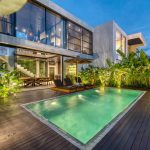
Building a villa in Bali is a dream for many property owners, investors, and lifestyle seekers. The island’s stunning landscapes, vibrant culture, and thriving tourism industry make it one of the most attractive locations for residential and hospitality development in Southeast Asia. However, turning that dream into a successful project requires careful planning, local knowledge, and the guidance of a custom villa architect Bali who understands how to translate ideas into a well-designed and functional property.
Many first-time developers assume that designing a villa simply means choosing a style and starting construction. In reality, villa development in Bali involves a complex process that includes site analysis, architectural planning, climate-responsive design, regulatory considerations, and long-term investment strategy. Without the right architectural guidance, property owners may encounter issues such as inefficient layouts, unexpected construction challenges, or designs that fail to adapt to Bali’s tropical climate.
A professional custom villa architect Bali plays a crucial role in ensuring the project is planned strategically from the beginning. By integrating design expertise, environmental awareness, and construction coordination, architects help transform a vision into a refined tropical residence that balances beauty, comfort, and functionality.
This guide explores the key steps involved in planning a dream villa project in Bali, helping property owners understand the architectural process and make informed decisions throughout development.
Why Working With a Custom Villa Architect Bali Matters
A custom villa architect Bali offers more than design drawings. Their expertise lies in developing an architectural strategy that aligns the client’s vision with the realities of the site, the climate, and local construction practices.
One of the most important roles of an architect is understanding the land itself. Every plot in Bali has unique characteristics such as slope, surrounding vegetation, nearby buildings, and orientation toward the sun and wind. These factors significantly influence how a villa should be positioned and designed.
For example, a coastal property may require different structural considerations than a villa built in the hills of Ubud. Architects analyze environmental conditions to determine the most appropriate layout, building height, roof structure, and ventilation system. This early planning stage helps prevent design problems that could appear later during construction.
Another important responsibility of a custom architect is translating lifestyle preferences into functional spaces. Some villa owners prioritize privacy and relaxation, while others focus on entertaining guests or operating a rental property. Architects use these goals to design spatial arrangements that support how the villa will actually be used.
Architects also coordinate with structural engineers, landscape designers, and construction teams to ensure the project progresses smoothly. By overseeing both the creative and technical aspects of development, they help maintain consistency between the original concept and the final built structure.
Ultimately, working with a qualified architect helps property owners avoid costly mistakes while ensuring the villa achieves both aesthetic quality and long-term value.
Understanding the Planning Process for a Custom Villa Project
Planning a villa in Bali requires a structured process that moves from concept development to technical design and construction preparation. A custom villa architect Bali guides property owners through each stage to ensure the project evolves logically and efficiently.
The process usually begins with an initial consultation. During this stage, the architect learns about the client’s vision, lifestyle needs, and investment objectives. Discussions may include preferred architectural styles, desired amenities, and the overall atmosphere the villa should convey.
Next comes site analysis. Architects evaluate the physical characteristics of the land, including elevation, drainage patterns, surrounding views, and environmental factors. These observations help determine the optimal building placement and orientation.
Concept design development follows as the creative stage of the project. Architects produce early sketches and layout proposals that illustrate the relationship between rooms, outdoor spaces, and landscape elements. At this stage, adjustments are common as clients refine their preferences.
Once the concept is approved, the project moves into detailed architectural design. This phase involves creating comprehensive drawings that include structural layouts, mechanical systems, and construction specifications. These documents provide contractors with the information necessary to build the villa accurately.
Clear planning during these stages significantly reduces risks during construction. When architectural decisions are carefully developed in advance, builders can work more efficiently and maintain the integrity of the original design vision.
Designing a Villa That Fits Bali’s Tropical Environment
One of the most important aspects of villa architecture is adapting the design to Bali’s tropical climate. A custom villa architect Bali applies architectural strategies that enhance natural comfort while preserving the elegance of the design.
Tropical environments require buildings that can respond effectively to heat, humidity, and seasonal rainfall. Architects address these conditions by emphasizing natural ventilation and passive cooling techniques.
Open floor plans are commonly used in tropical villa design because they allow air to circulate freely throughout the building. Large openings such as sliding glass doors and wide windows create cross ventilation, reducing reliance on air conditioning.
High ceilings also play an important role in thermal comfort. Warm air naturally rises, so elevated ceilings help maintain cooler living spaces below. This design strategy improves indoor comfort without requiring additional mechanical systems.
Shading elements are another key feature of tropical architecture. Deep roof overhangs, pergolas, and covered terraces help protect interior spaces from direct sunlight. These elements also create comfortable outdoor areas where residents can enjoy Bali’s climate while remaining sheltered from heat and rain.
Landscaping further enhances the villa environment. Trees, gardens, and water features can lower surrounding temperatures and create a tranquil atmosphere. When integrated carefully with architectural planning, landscape elements become an extension of the living space.
Through these strategies, tropical villa architecture combines environmental responsiveness with refined aesthetics.
Integrating Design and Construction for Better Results
Modern villa development increasingly relies on integrated architectural approaches that combine design and construction coordination. A custom villa architect Bali often collaborates closely with builders and engineers to ensure the project moves smoothly from concept to completion.
One advantage of this integrated approach is improved communication between project teams. Architects can resolve technical challenges early in the planning stage rather than during construction, where changes can become expensive and time-consuming.
Integrated project planning also supports better cost control. When architects understand construction methods and material availability in Bali, they can design structures that are both aesthetically appealing and practical to build.
Technology has also transformed the way architects manage complex projects. Digital modeling tools allow teams to visualize buildings in three dimensions before construction begins. These models help detect design conflicts, improve accuracy, and provide a clearer understanding of how the final villa will appear.
Some architectural studios also adopt collaborative workflows that combine architecture, engineering, and construction expertise within one team. Firms such as Archiola apply technology-driven design processes to improve planning accuracy and ensure projects remain aligned with both design intent and construction realities.
This integrated method helps villa owners navigate the development process with greater confidence and fewer unexpected complications.
Key Considerations Before Starting Your Villa Development
Before beginning construction, property owners should carefully evaluate several factors that can influence the success of their project. Working with a custom villa architect Bali ensures these considerations are addressed early in the planning process.
One important factor is the intended function of the villa. Some properties are designed as private residences, while others serve as rental villas or boutique hospitality projects. The intended use affects design choices such as the number of bedrooms, layout of communal areas, and integration of service spaces.
Budget planning is another critical element. While architecture focuses on design quality, practical financial planning ensures the project remains feasible. Architects often help clients balance aesthetic goals with realistic construction budgets.
Regulatory requirements must also be considered. Local zoning regulations, building permits, and environmental guidelines may influence aspects of the design. Architects familiar with Bali’s regulatory framework can help ensure compliance while maintaining the integrity of the design concept.
Accessibility and infrastructure are equally important. Road access, utility connections, and drainage systems must be evaluated to support long-term property functionality.
By addressing these factors early, property owners can avoid unexpected delays and ensure the villa development progresses smoothly from planning to completion.
Conclusion
Designing and building a villa in Bali is an exciting journey that combines creativity, environmental awareness, and careful planning. A custom villa architect Bali provides the expertise needed to transform an initial vision into a thoughtfully designed tropical residence that balances elegance, comfort, and functionality.
From site analysis and architectural planning to climate-responsive design and construction coordination, each stage of the process contributes to the final quality of the villa. By working with experienced architectural professionals, property owners can navigate the complexities of development while maintaining a clear and consistent design vision.
Whether the goal is to create a private sanctuary or an investment property in Bali’s dynamic real estate market, thoughtful architectural planning is essential to achieving long-term success.
If you are exploring the idea of building your own villa, collaborating with an experienced architectural team can help turn your ideas into a well-planned project that reflects both your lifestyle and the unique beauty of Bali.