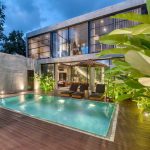
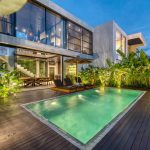
Designing a villa in Bali often begins with an inspiring vision: open living spaces, lush gardens, fresh air flowing through every room, and architecture that blends seamlessly with nature. However, turning that dream into a comfortable and functional home requires thoughtful planning. This is where the expertise of a Bali villa architect becomes essential.
Many people assume that designing a tropical villa simply means adding large windows and outdoor spaces. In reality, tropical architecture requires a deeper understanding of climate conditions, site orientation, ventilation strategies, and material durability. Without the right design approach, a villa may struggle with excessive heat, poor airflow, or maintenance challenges over time.
A professional Bali villa architect carefully balances beauty, functionality, and environmental response. By integrating smart design strategies, architects can create villas that remain cool, energy-efficient, and harmonious with Bali’s natural surroundings. The goal is not only to build a visually appealing home but also to design a space that enhances everyday living.
In this article, we explore smart architectural design tips for tropical living and how a Bali villa architect approaches villa design to achieve comfort, sustainability, and timeless elegance.
Understanding the Principles of Tropical Architecture
One of the most important aspects of designing a villa in Bali is understanding tropical architecture. The island’s warm temperatures, humidity levels, and seasonal rainfall require buildings to respond intelligently to environmental conditions. A skilled Bali villa architect applies these principles from the earliest design stages.
Tropical architecture prioritizes natural airflow. Instead of relying heavily on mechanical cooling systems, buildings are designed to encourage air movement throughout the interior. Cross ventilation is achieved by placing windows and openings on opposite sides of a space. This allows fresh air to circulate naturally, helping maintain comfortable indoor temperatures.
Another fundamental principle is protection from direct sunlight. Bali experiences strong sun exposure, which can quickly heat interior spaces if not properly controlled. Architects often incorporate deep roof overhangs, pergolas, and shaded terraces to reduce heat gain while still allowing natural light to enter the building.
A Bali villa architect also considers the relationship between architecture and nature. Villas are typically designed with open layouts that connect interior living areas with outdoor gardens, pools, or courtyards. This seamless transition between indoor and outdoor spaces creates the relaxed lifestyle that many people seek when living in Bali.
Material selection also reflects tropical design principles. Natural materials such as stone, timber, and textured plaster are commonly used because they perform well in humid climates while creating a warm and authentic architectural atmosphere.
By understanding these principles, architects create villas that not only look beautiful but also function effectively in Bali’s tropical environment.
Optimizing Site Orientation and Landscape Integration
Before designing the layout of a villa, a Bali villa architect carefully studies the site. The orientation of the land, surrounding views, and natural features all influence how the building should be positioned.
Sun orientation is one of the first factors to consider. Properly positioning the villa can significantly reduce heat gain and improve natural lighting. For example, living areas may be oriented toward garden views while avoiding direct afternoon sunlight that can make interiors excessively warm.
Wind direction also plays an important role in tropical living. By analyzing local wind patterns, architects can place windows, doors, and ventilation openings in locations that maximize natural airflow. This reduces dependence on air conditioning and creates a more comfortable indoor environment.
Landscape integration is another essential design strategy. Rather than clearing the entire site, a Bali villa architect often preserves existing trees and vegetation whenever possible. Mature trees can provide natural shade, enhance privacy, and create a sense of connection with nature.
Outdoor spaces are typically arranged around courtyards, terraces, or pools that serve as central gathering areas. These outdoor zones become extensions of the interior living spaces, encouraging residents to spend more time outdoors.
Water features and gardens are also common elements in tropical villa design. They help cool the surrounding air while adding a tranquil atmosphere to the property.
Through thoughtful site planning and landscape integration, a Bali villa architect creates villas that feel naturally connected to their environment rather than isolated from it.
Designing Functional and Comfortable Living Spaces
Smart tropical design goes beyond visual aesthetics. A well-designed villa must also support daily activities, comfort, and privacy. A Bali villa architect approaches spatial planning carefully to ensure the layout enhances the lifestyle of its occupants.
Open-plan living spaces are a defining feature of many Bali villas. Living rooms, dining areas, and kitchens are often combined into one continuous space that opens toward outdoor terraces or gardens. This arrangement allows natural light and fresh air to flow freely throughout the interior.
However, openness must be balanced with privacy. Bedrooms and personal areas are usually located in quieter sections of the villa, sometimes separated by courtyards or garden corridors. This zoning approach creates a sense of retreat while maintaining visual connection with the landscape.
Ceiling height also contributes to comfort in tropical architecture. Higher ceilings allow warm air to rise, improving airflow and reducing the feeling of heat indoors. In some villas, architects incorporate exposed roof structures or clerestory windows to enhance ventilation and daylight.
Another important element is flexible space design. Modern villa owners often require spaces that can adapt to different activities such as working remotely, entertaining guests, or relaxing with family. A Bali villa architect may design multifunctional areas that can evolve with changing lifestyle needs.
Furniture placement, circulation pathways, and visual connections between spaces are also carefully planned. When these elements are well coordinated, the villa feels spacious, intuitive, and comfortable to live in.
Choosing Materials Suitable for Tropical Conditions
Material selection is a critical aspect of villa design in Bali. The tropical climate can be demanding on building materials due to humidity, heat, and occasional heavy rainfall. A knowledgeable Bali villa architect carefully selects materials that combine durability, aesthetics, and environmental suitability.
Natural materials are often favored in tropical villas because they blend harmoniously with the surrounding environment. Stone, hardwood, and textured finishes provide both structural strength and visual warmth. These materials also age gracefully over time, adding character to the building.
Wood is frequently used for doors, windows, and decorative elements. When properly treated, it can withstand humidity while maintaining its natural beauty. Stone surfaces, meanwhile, offer durability and thermal mass, helping stabilize indoor temperatures.
Roof design is another important consideration. Large roof overhangs protect walls and windows from rain while providing shade from the sun. Some architects use layered roof structures or ventilated roof systems to improve airflow and reduce heat accumulation.
Flooring materials are also chosen with climate performance in mind. Natural stone or polished concrete floors remain cool underfoot, making them well suited for tropical interiors.
A Bali villa architect balances these material choices carefully to ensure the villa remains comfortable and visually appealing over the long term.
For those interested in exploring architectural approaches and integrated design strategies, visiting Archiola can provide useful insights into how professional teams combine architecture, technology, and construction expertise in Bali.
Incorporating Sustainability and Modern Design Technology
Sustainable architecture is becoming increasingly important in Bali as environmental awareness continues to grow. A forward-thinking Bali villa architect integrates sustainability principles that reduce environmental impact while improving long-term efficiency.
Energy efficiency is one of the primary goals. Natural ventilation, shading devices, and optimized building orientation can significantly reduce the need for air conditioning. Solar energy systems and efficient lighting solutions are also becoming common features in modern villas.
Water management is another key aspect of sustainable design. Rainwater harvesting systems and efficient drainage solutions help manage Bali’s seasonal rainfall while supporting landscape irrigation.
Digital design technologies are also transforming the architectural process. Many architects now use Building Information Modeling (BIM) to develop highly detailed digital models of projects. These models improve coordination between architects, engineers, and contractors while allowing more accurate planning.
By combining sustainability strategies with advanced design tools, a Bali villa architect creates villas that are both environmentally responsible and technologically sophisticated.
Conclusion
Designing a villa in Bali requires more than creative inspiration. It involves understanding tropical climate conditions, optimizing land orientation, selecting appropriate materials, and planning spaces that support comfortable living.
A professional Bali villa architect plays a vital role in guiding this process. Through thoughtful design strategies and technical expertise, architects help property owners transform ideas into well-crafted tropical residences.
By prioritizing natural ventilation, landscape integration, durable materials, and sustainable design principles, villas can achieve both beauty and long-term functionality. These elements create homes that are not only visually impressive but also deeply connected to Bali’s natural environment.
For anyone considering a villa project, learning about smart architectural strategies is an important first step. With the guidance of an experienced Bali villa architect, it becomes possible to design a tropical home that reflects both personal vision and the unique character of Bali.